
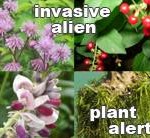
 If you have a plant species that is growing rapidly in your garden, it may be an invader plant! Invader plants are not native to South Africa. They are weeds introduced to local vegetation and can overrun and choke other plants in your garden.
Invader plants can be anything from shrubs to grasses. They can grow on land — and even in water too. Because they are dangerous to the environment and the economy, the Department of Agriculture has issued laws on how, where and when to plants these weeds.
In addition to harming the environment and economy, invader plants can tarnish the look of your home. Because they grow quickly, they are often difficult to remove and control. Here are some great tips on how to weed out aliens and have an attractive garden that will increase the value of your property.
Types of Weeds
Weeds are classified into different categories. Each category is assigned a set of laws on what to do should you spot them in your garden.
1. Don’t Even Go There: Category 1 Invader Plants
Weeds under category 1 cannot by law be planted or maintained in residential areas. The Department also prohibits individuals from buying or selling this species. They can only be grown within biological reserves and require written permission from relevant authorities.
There are over 100 category 1 invader plants. Some of these include the Camphor tree, Durban guava, kudu vine and many types of prickly pear. While most are regarded as category 1 plants throughout South Africa, others like the Chinese and pink tamarisk, fall under this category only in the Northern, Eastern and Western Cape.
2. Use Sparingly: Category 2 Invader Plants
The growth of plants in category 2 is encouraged but only in demarcated areas. This is because they hold commercial value in various industries. These weeds often have medicinal properties, can be used as animal fodder, in construction materials and to stabilise soils.
If any category plants appear in your garden, they should be removed as the species is only allowed to grow in controlled environments. These plants include the castor-oil plant, wild tomato, watercress and several types of pine.
3. Stop Them from Spreading: Category 3 Invader Plants
Category 3 weeds have to be dealt with the same way as plants under category 1. They are to be removed and never planted unless in reserves. However, if these weeds were already present before regulations regarding them were created, you can leave them in your garden.
Examples of category 3 plants are the jacaranda, orchid and New Zealand christmas tree. Smaller plants like sword fern, pickerel weed and white mulberry also fall in this category. The only condition is that you need to put measures in place that will inhibit these weeds from spreading any further.
A beautiful garden is a real asset and will attract Buyers when the time comes to sell your home.